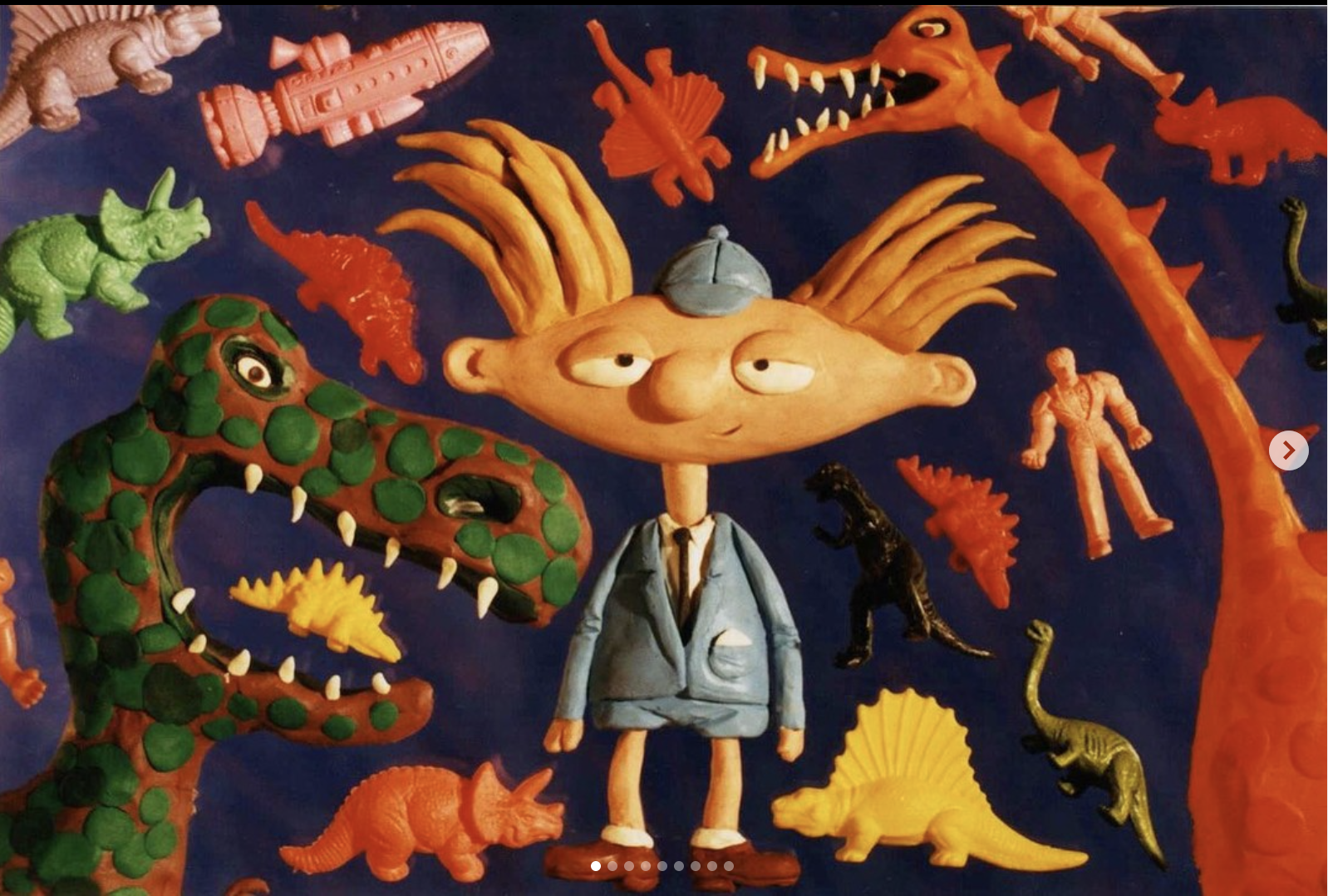
“Clay Arnold” - An Interview with Craig Bartlett, creator of “Hey Arnold”, about his claymation shorts that inspired the series.
———————————————————————————————————————————————————————————
A few summers ago, I was at a friend’s apartment with a little group of people, hanging out and making crafts.
Caitlin, the friend whose apartment it was, is an alternative comedian and artist who makes tiny clay sculptures out of a material called “Sculpi”. She goes by the moniker, “Tiny Clays” on instagram. Her work is detailed, colorful, and playful. Caitlin was working on a few pieces when I was at her house. She has a workstation, consisting of many different tiny clay pieces, and miscellaneous tools.
Seeing those pieces stirred up memories of some short films I saw a few years ago. I asked Caitlin if she’d ever seen the shorts that the show “Hey, Arnold” were based on. She said “no”. A few other friends said “no” as well. I asked them if they’d seen the show “Hey, Arnold”. They all said yes and remembered being fans of the show growing up.
I then showed the room the following short, “The Arnold Waltz”, a short film featuring the character, Arnold, daydreaming during a band class.
It’s a captivating little claymation short that appears on a colored-pencil background and uses audio from what sounds like a real elementary school band recital. Viewers of “Hey, Arnold” will recognize early versions of the characters: Arnold, Harold and Helga.
The short ends with credits made of clay letters that appear on another colored-pencil background. Most curiously, one of the credits reads “Recorded by Homer Groening.” The room was intrigued, asking a few questions about the short. “When were these shorts made?”, “Groening? Groening like Matt Groening? Homer, like Homer Simpson?” “Were those characters from Hey, Arnold?”
Well, I didn’t have answers to all of those questions so I went straight to the source, Craig Bartlett, the creator of “Hey, Arnold”. My friend, Rome, is friends with Craig’s son, Mathias, and an introduction was made.
This is the story of how a series of homemade claymation shorts led to the development of one of the most influential children’s shows of all time. As Craig likes to put it, “A Charlie Brown for the 90s”.
Enjoy.
Justin
————————————————————————————————————————————————————————————
Here’s some context and background.
Craig Bartlett is an animator and filmmaker from Seattle, WA and a graduate of Evergreen State College.
Craig was married to Lisa Groening for over twenty-five years. Lisa is the namesake for Lisa Simpson, a character created by her brother, Matt Groening, the creator of The Simpsons.
Craig created the series, Hey, Arnold for Nickelodeon, which is lauded for its humor, realistic depiction of modern life, and heartfelt approach to storytelling, the series spawned two feature films.
One of Craig’s early jobs was animating for Will Vinton, a prolific animator known as the “Father of Claymation”.
Craig was also an animator for Pee Wee Herman’s Playhouse, specifically working on a series of shorts featuring a character named “Penny”, a girl with Pennies for eyes. Penny was originally produced by “Aardman Animation”, the studio known for producing the Wallace and Gromit series and the Oscar-winning short, Creature Comforts.
Craig was also one of the original writers on Nickelodeon’s Rugrats. Remember Cynthia? Angelica’s “Barbie that was loved to death”? Craig made that.
The character, Arnold, first appeared in 1988, in the short “Arnold Escapes from Church”. From ‘88 to ‘92, Craig produced two more Arnold Shorts. The second was “The Arnold Waltz”, produced independently. The third was “Arnold Rides His Chair”, which was commissioned by Sesame Street.
Arnold also appeared in Simpsons Illustrated, an early Simpsons tie-in magazine.
This interview was conducted via email over the course of a few months. It’s been edited for clarity and ease-of-read.
————————————————————————————————————————————————————————————
JL: What’s the earliest version of Arnold you remember drawing or sculpting?
CB: I started on Arnold in the summer of ’88 when I was unemployed and newly moved to Los Angeles. I probably sculpted his head shape first, in the way I had done Penny characters [for Pee Wee’s PlayHouse], then when I found I had discovered Arnold, I drew him in colored pencil.
JL: How did you get involved in “Pee Wee’s Playhouse”?
CB: When “Pee Wee’s Playhouse” came on TV in ’86, I was still animating for Will Vinton in Portland. I remember that some of us would talk about the new show (Pee Wee’s Playhouse) when we got back in the office on Mondays. It was like a cult favorite with us.
I decided to reach out to the show somehow and got the contact info for Stephen Johnson and Prudence Fenton, the director and animation producer of the show. I sent them each my claymation sample reel on VHS.
When the show was ready to start season two, Prudence called me up at my house in Portland and invited me to come down to LA, where the show had moved (the first season was made in NYC) to direct the Penny cartoons. Since the show was relocating, they needed to crew up new animation teams.
Aardman Animation deserves credit for actually creating Penny for Pee Wee. We just tried our best to imitate their amazing style. I thought Aardman was the funniest Claymation studio in the world, and just didn’t want our new Penny episodes to suck by comparison.
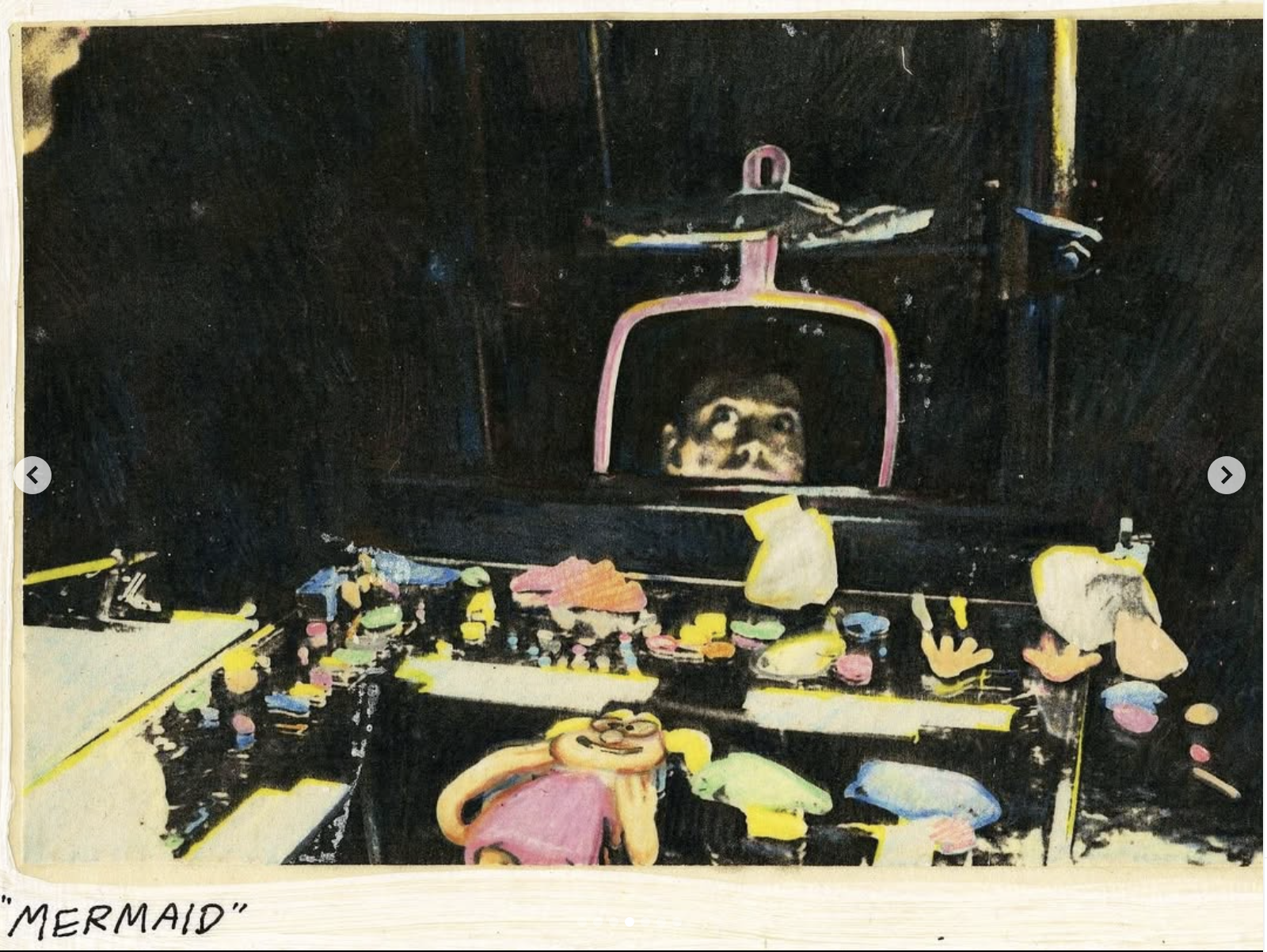
Craig working on a Penny short, mirror to reference mouth shapes.
JL: For those unfamiliar, can you talk a little bit about Aardman Animation and their style of stop-motion animation?
CB: “Penny” strikes me as very Aardman because it’s made in the style of their Lip Sync series, which showed a Nagra tape recorder in its title sequence, which suggests field recordings of ordinary people.
They recorded various little girls for Penny, who happened to be the kids of people who worked with them. Then they edited the interviews into one-minute cartoons, using the kids’ answers to make up a kind of freestyle narrative. We did the same for “Penny” season two.
JL: Did you use that lip sync style for your Arnold Shorts, specifically, The Arnold Waltz, where Homer Groening is credited as recording the audio?
CB: Lisa’s dad, Homer Groening, is the namesake of Homer Simpson, but quite different from the cartoon, Homer. He was a filmmaker in his own right, and an advertising copywriter and cartoonist.
Homer Groening's "Basic Brown Basic Blue" (1969)
CB: He [Homer Groening] had a lot of filmmaking equipment which he gave or loaned to me, including lights, stands, 16mm editing equipment, the kind of stuff I needed.
He had recorded Maggie Groening’s 5th grade orchestra performing the Skater’s Waltz at a school concert in the ‘70s on the same Nagra recorder I used to record “Arnold Escapes From Church.”
I heard Homer’s recording and thought it would make a great soundtrack for my second Arnold film.
He happily shared it with me – I think Homer was glad to see his equipment get more life, and also glad his son-in-law was a filmmaker.
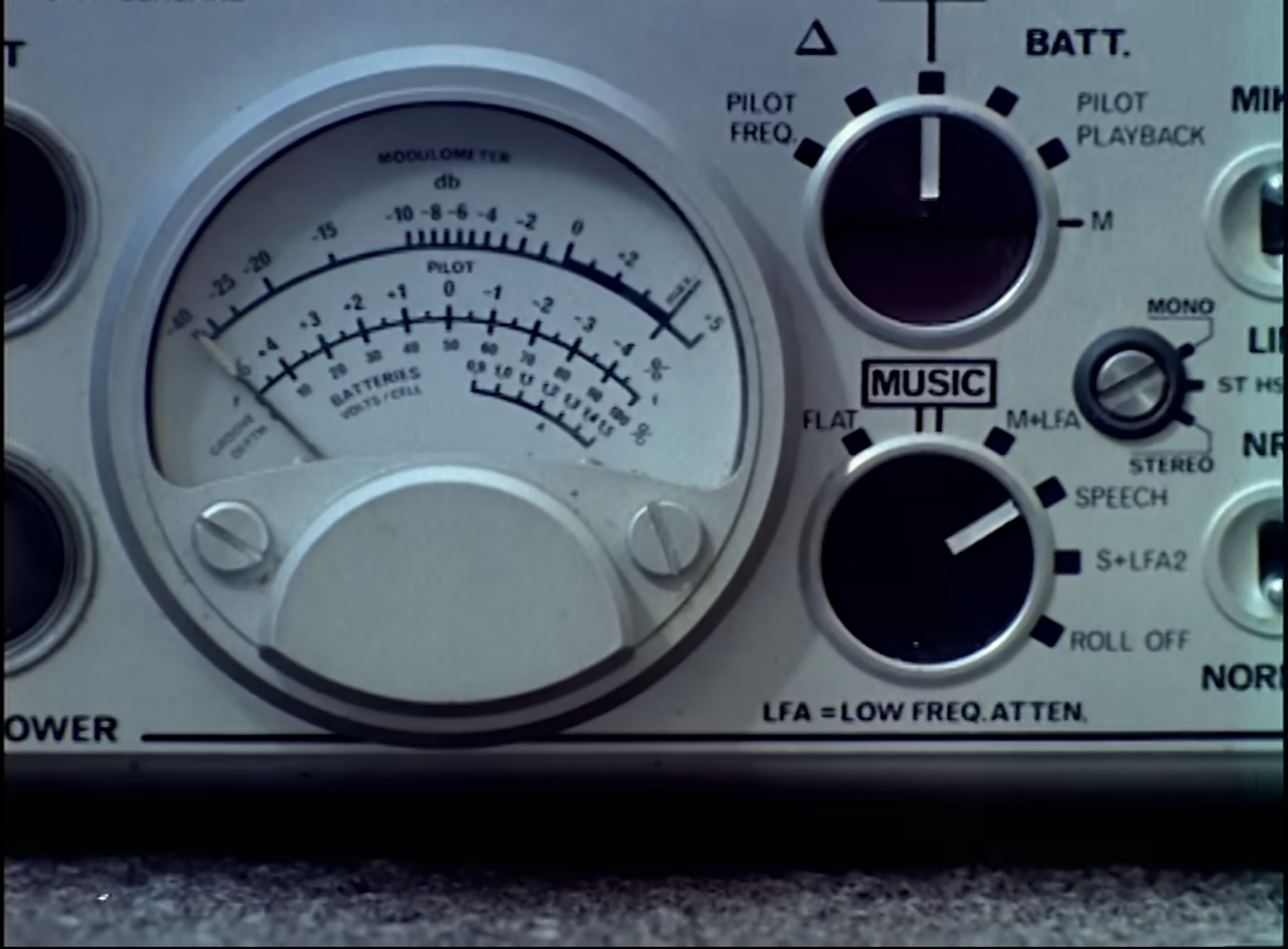
Nagra Tape Recorder, as seen in Aardman Animation’s Creature Comforts Series
JL: Lisa Groening is credited as a producer on some of these shorts. Can you talk about the part Lisa played in the process?
CB: Lisa was my wife at the time and we both were trying to add credits to our slim resumes. I credited her as a co-producer for helping me run the business.
JL: When and where were you when you made your first claymation Arnold Short?
CB: In [the] summer of ’88 I was living in an apartment in Los Feliz.
My work with Pee Wee had ended so I was unemployed. This was a great motivation to make something of my own. We had just moved to LA from Portland, and I wanted to go forward, not back.
So I built my own “Penny” animation stand and started.
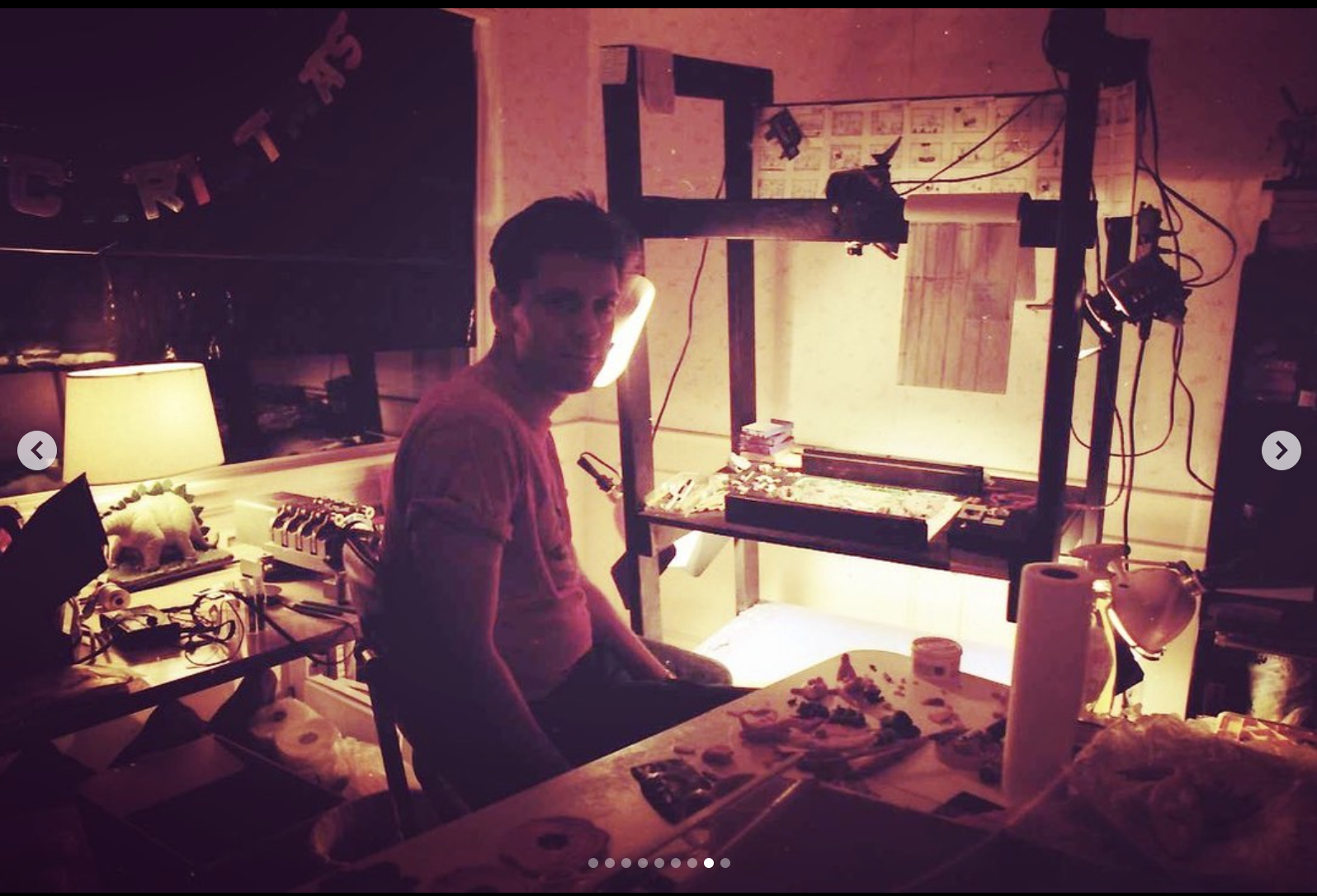
Craig working on an Arnold short.
CB: I built an animation stand that had the same features as the ones we animated on at Pee Wee, but mine was all made from 2x4s and plywood.
I had to get some small wattage lights like we’d used at Vinton’s studio, but the whole thing couldn’t have cost more than a couple hundred dollars. I had a 16mm Bolex movie camera that took single frames. I storyboarded the first Arnold short, “Arnold Escapes From Church.”
For the soundtrack, I recorded my coworkers at WVP [Will Vinton Productions] reading the 23rd psalm on that Nagra Recorder borrowed from Homer Groening, and made the film.
The Sony Walkman had just come out when we were animating in the 80s for Will Vinton. So I often wore a walkman on my belt while I worked, and listened to music on cassettes on my headphones. I made my own mix tapes of roots rock'n'roll and James Brown.
I also remember listening to the first Pretenders album while I animated, and falling in love with Chrissie Hynde's voice. When we worked in the basement shop there were always several of us down there, so we would all listen to the radio in that space.
The local NPR station played "Hitchhiker's Guide to the Galaxy" and we worked [listening] to that entire series. They also played old Bob and Ray shows on weekends. We also listened to classical and Portland's excellent local station KBOO, which played an eclectic mix from blues to roots to reggae.
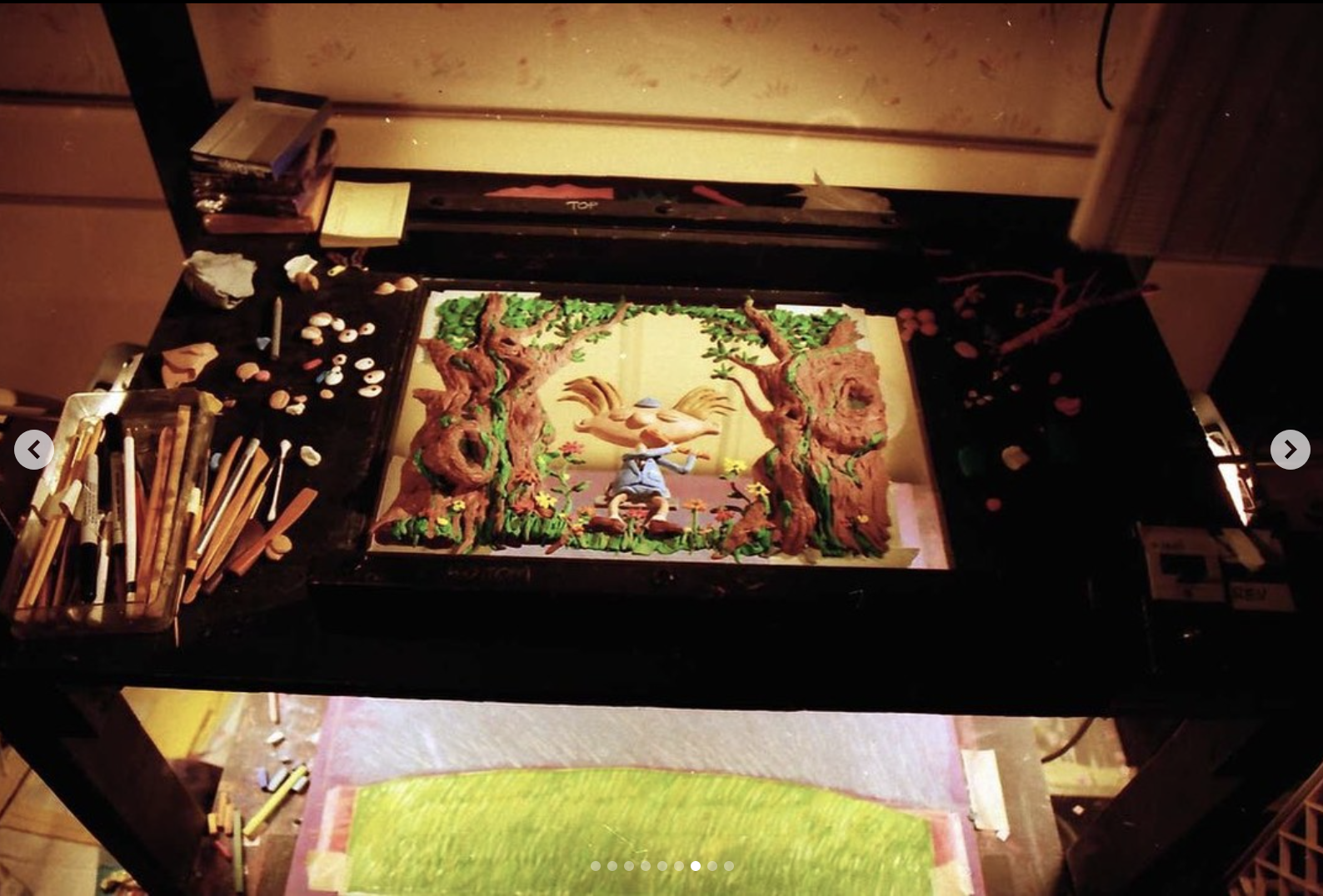
Craig’s animation stand.
JL: How long did it take you to finish Arnold Escapes From Church?
CB: I had the idea for it in LA probably in June ’88, I recorded the crew at WVP in July when I went back to Portland to shoot one more Noid commercial, then returned to LA and animated/shot it in August. So... about 6 weeks all in.
JL: Can you talk a little bit about how these shorts were incorporated into the pitch for Hey Arnold?
CB: In 1993, Mary Harrington was running the new animation studio in LA that was making new original Nicktoons content, starting with “Rocko’s Modern Life.”
I came in to pitch new cartoon ideas to Mary, but with all the writers from “Rugrats.” There were six of us, and Mary didn’t see how we could run a cartoon with so many cooks (she was probably right). She passed on all our ideas.
Luckily someone said, “Craig, show Mary your Penny cartoons,” and I had a VHS tape of my new reel with my Penny cartoons, but started off with “Arnold Escapes From Church” on the front.
Mary loved it and said, “Who is this Arnold?” I also had some copies of Simpsons Illustrated, an early Simpsons magazine, that featured Arnold comics in the back of each issue. Mary loved the comics too, and said she wanted me to come back and “pitch this Arnold guy to me.”
I did, and the rest is history. Too bad for the other guys, but I hired most of them to write for Arnold!
————————————————————————————————————————————————————————————
JL: Thanks, Craig. While I have you, I’d be remiss if I didn’t ask you a couple more questions.
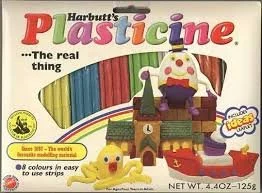
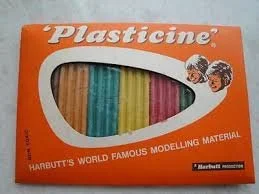
I understand the material you used on both Penny and Arnold to be plasticine. What were the benefits of using plasticine over traditional molding clay?
CB: We used a brand of plasticine that was made in LA called Plastilina, much like the modeling clay I had as a kid. It came in one-pound blocks.
The difference from other clays is that plasticine is oil-based and will never dry, and is best to mold at room temperature. This stuff was what we used both at WVP and Pee Wee, so it was our standard.
JL: The short “Arnold Rides a Chair” aired on Sesame Street. Anything you care to share about your relationship with Sesame Street?
CB: I think it was spring of 1990 that Sesame Street reached out to me to ask if I wanted to contribute animation to their library of shorts that they make for their show.
I was and am a huge fan of Sesame Street -- I remember vividly when it first came on the air, and even though I was too old for it, I watched it for its animation.
They were very nice and respectful of the fact that I had already created two Arnold shorts. They offered to commission a new Arnold short while I retained the rights to the character.
I was very happy to make "Arnold Rides a Chair" and "Lillian" for them.
Arnold Rides a Chair
JL: Anything you care to share about the “Lillian, Big Sister” shorts you made for Sesame Street?
CB: I created Lillian for Sesame Street, with the idea of making my own character to animate in the "Penny" technique, just like the Arnold shorts.
The main difference between Penny and Lillian was I wrote a script with a Sesame Street curriculum -- it wasn't improvised dialog like Penny, which were straight-up interviews with non-professional girls.
The voice for Lillian was provided by Michele Mariana, who did voices in Portland for Will Vinton productions, and we had worked together.
Lillian, Big Sister
JL: Thanks, Craig. I appreciate your time, your patience and your attention-to-detail.